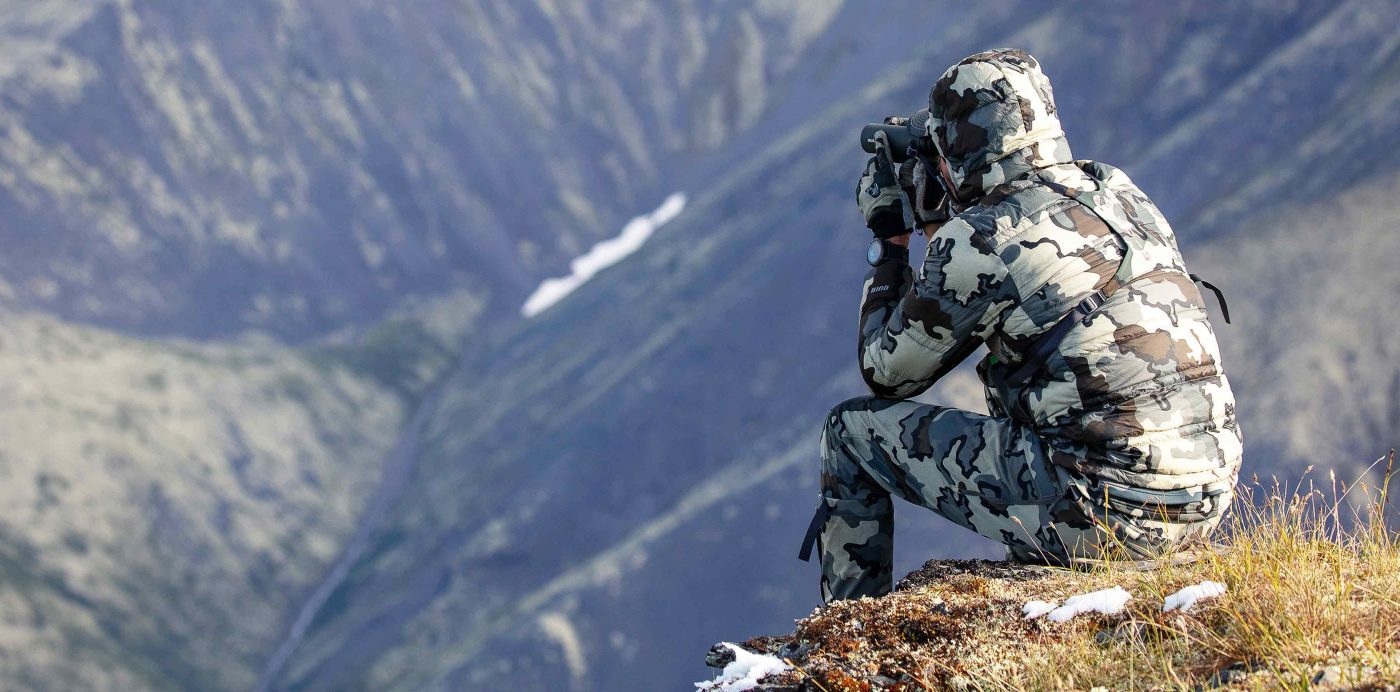
The Timeless Appeal of a Camouflage Jacket
The camouflage jacket is a true icon of modern style. It has transcended trends and seasons to become a timeless wardrobe staple, a piece that is as relevant today as it was decades ago. The secret to its enduring appeal lies in its perfect blend of rugged utility and undeniable coolness. It’s a garment that tells a story, a piece of clothing with a rich history that adds a layer of depth to any outfit. The jacket’s unique ability to be both a functional piece of outerwear and a fashion statement is what truly sets it apart.
The power of the jacket begins with its utility. Designed for durability and function, the original military jackets were built to last. This focus on quality and resilience has carried over into the civilian world, making the jacket a reliable and long-lasting piece of outerwear. Its sturdy fabric and classic silhouette make it a practical choice for everyday wear, a jacket that can withstand the rigors of city life and outdoor adventures alike. This sense of practicality is a major part of its appeal; it’s a piece of clothing that you can rely on, a true workhorse in your wardrobe.
Beyond its function, the jacket’s visual identity is what truly makes it a star. The camouflage pattern, with its earthy tones and organic shapes, adds an instant dose of edge and intrigue to any outfit. It has an inherent coolness, a rebellious spirit that harkens back to its adoption by subcultures and artists. When you wear a camouflage jacket, you are not just wearing a piece of clothing; you are tapping into a cultural history of non-conformity and rebellion. This gives the jacket a certain gravitas, an effortless cool factor that is hard to replicate with other garments.
The jacket’s versatility is another key to its longevity. It pairs effortlessly with a wide range of styles, from casual and laid-back to more structured and polished. You can throw it on over a simple white t-shirt and jeans for a classic, off-duty look, or layer it over a hoodie for a more modern streetwear vibe. It also works as an unexpected contrast with more formal pieces. Imagine a camouflage jacket worn over a sleek, all-black ensemble; the contrast between the rugged pattern and the refined silhouette creates a look that is both sophisticated and daring. This adaptability makes the jacket an invaluable asset in any wardrobe.
The jacket is also a canvas for personal expression. Because it is so widely available, in so many different variations, you can find one that perfectly suits your style. From oversized, vintage-inspired military jackets to more tailored, modern versions, there is a jacket for every taste. You can also customize it, adding patches, pins, and other personal touches to make it truly your own. This ability to personalize the jacket adds to its appeal, as it allows you to create a unique piece of clothing that reflects your own personality and interests.
In conclusion, the jacket has earned its place as a timeless fashion icon. Its perfect balance of utility and style, its rich cultural history, and its remarkable versatility have made it a go-to piece for designers and fashion enthusiasts alike. It’s a garment that has proven its staying power, and its journey from military uniform to a symbol of style is a testament to its enduring power. The camouflage jacket is more than just a piece of outerwear; it’s a statement, a classic that will continue to be a staple for years to come.
How Camouflage Became a Statement of Individuality
The story of camouflage in fashion is a paradox: a pattern designed for blending in has become a powerful tool for standing out. This transformation is at the heart of its appeal, and it speaks to a fundamental human desire for self-expression. What began as a tool for a collective, the military, has been re-appropriated by individuals seeking to define their own identities. This shift from conformity to individuality is a fascinating case study in how clothing can be re-contextualized and imbued with new meaning by a new generation.
For decades, the pattern was associated with uniformity and obedience. It was a visual symbol of a collective unit, a sign that the individual was part of something larger than themselves. However, when the pattern was adopted by youth subcultures and counter-cultural movements, this meaning was turned on its head. They saw the pattern not as a symbol of conformity, but as a blank canvas for rebellion. By wearing a pattern that was a symbol of authority, they were subtly and powerfully subverting it. This act of re-appropriation gave the pattern a new, anti-establishment edge, transforming it into a badge of individualism.
In the world of fashion, the pattern’s transition to a symbol of individuality was driven by creative interpretation. Designers began to experiment with the pattern, moving it away from its traditional, rigid forms. They changed the colors, the scale, and the materials, breaking the pattern free from its historical constraints. By using the pattern on unexpected garments, like elegant evening gowns or sleek tailored suits, they stripped it of its original meaning and gave it a new, purely aesthetic one. This creative freedom allowed the pattern to be used as a form of artistic expression, a way for designers to make a bold statement about their own vision.
The pattern’s non-uniform nature also contributes to its power as a tool for individual expression. Unlike a structured pattern like stripes or plaid, which are inherently organized and repetitive, camouflage is fluid and organic. Each piece of the pattern is unique, and its shapes and colors flow into one another in a way that feels natural and unconstrained. This inherent lack of rigidity makes the pattern a perfect canvas for personal style. It invites the wearer to interpret it in their own way, to pair it with different colors and textures, and to make it their own. It’s a pattern that doesn’t demand perfection; it celebrates uniqueness.
Furthermore, the pattern’s rich history adds to its power as a tool for self-expression. When you wear the pattern, you are not just wearing a design; you are referencing a complex history of conflict, rebellion, and cultural appropriation. This narrative depth allows the wearer to tell a story about who they are and what they believe in. You can wear the pattern as a symbol of your love for the outdoors, a nod to your rebellious spirit, or a simple statement of your unique sense of style. The pattern is a visual shortcut, a way of communicating your personality and values without saying a word.
In conclusion, the pattern has come full circle, transforming from a tool of uniformity to a symbol of individuality. Its ability to be re-contextualized and re-interpreted has made it a powerful vehicle for self-expression. It’s a pattern that invites creativity and personal styling, and its rich history gives it a depth that few other patterns possess. The journey of camouflage from a tool for blending in to a statement for standing out is a powerful testament to the creative and cultural power of fashion. It is a symbol of rebellion, a canvas for art, and a tool for every person to tell their own story.